
A slope that keeps sliding dirt into your yard, driveway, or up against the house is the kind of problem that only gets worse the longer it sits. Clifton Excavating puts a stop to that with retaining walls in Liberty, KY, and nearby areas, holding back the ground that's on the move and giving your slope the support it's been missing. Get a solid wall in place, and you can quit watching your property slowly wash and slump away.
Based in Liberty, KY, Clifton Excavating serves homeowners and businesses throughout the surrounding communities. We build walls that hold the ground where it belongs, from smaller residential builds to heavy commercial work, along with drainage and slope support that keep those walls standing. Since we also own our equipment and run it ourselves, the digging, base work, and wall work all stay with one crew from start to finish.
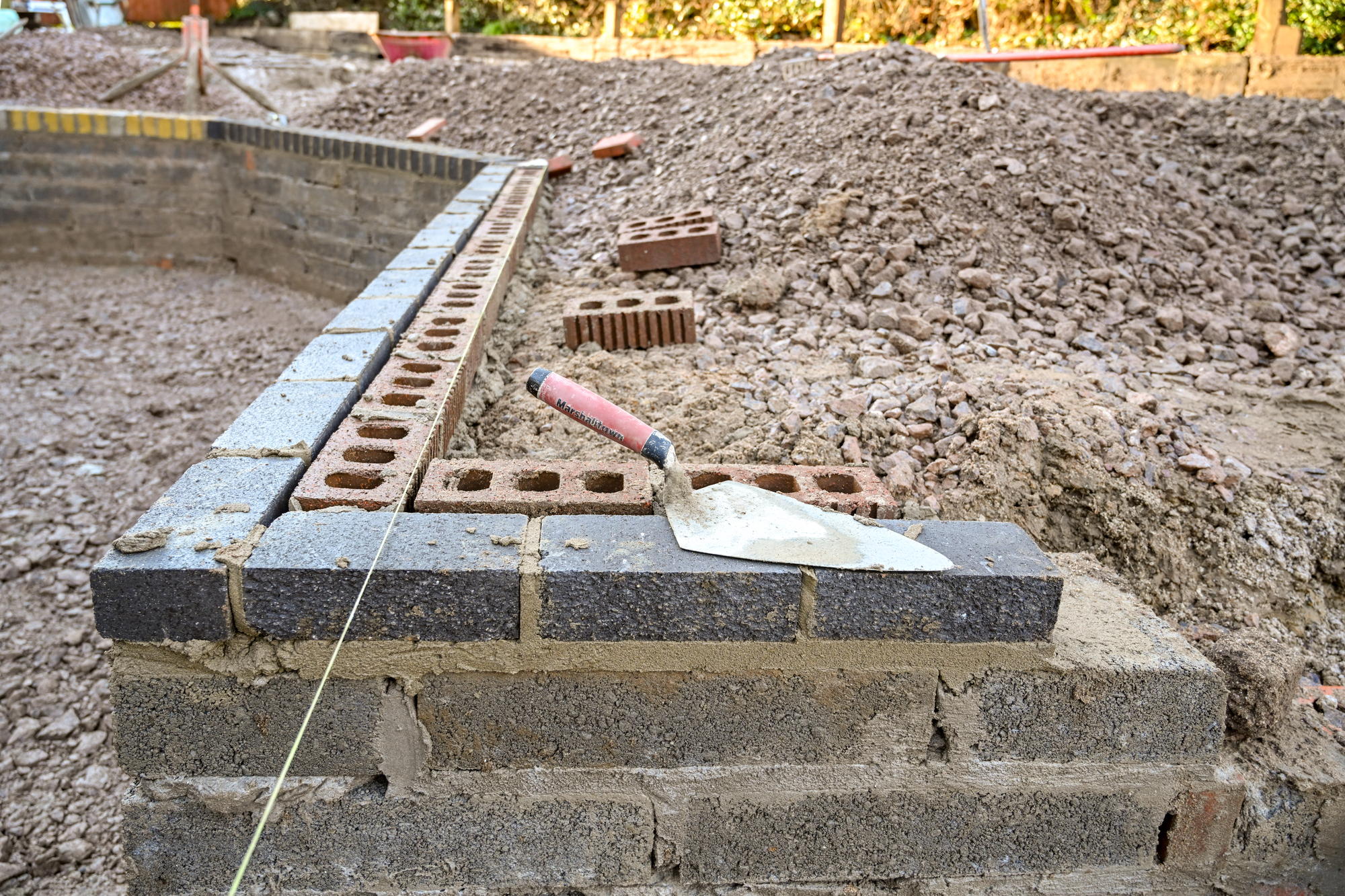
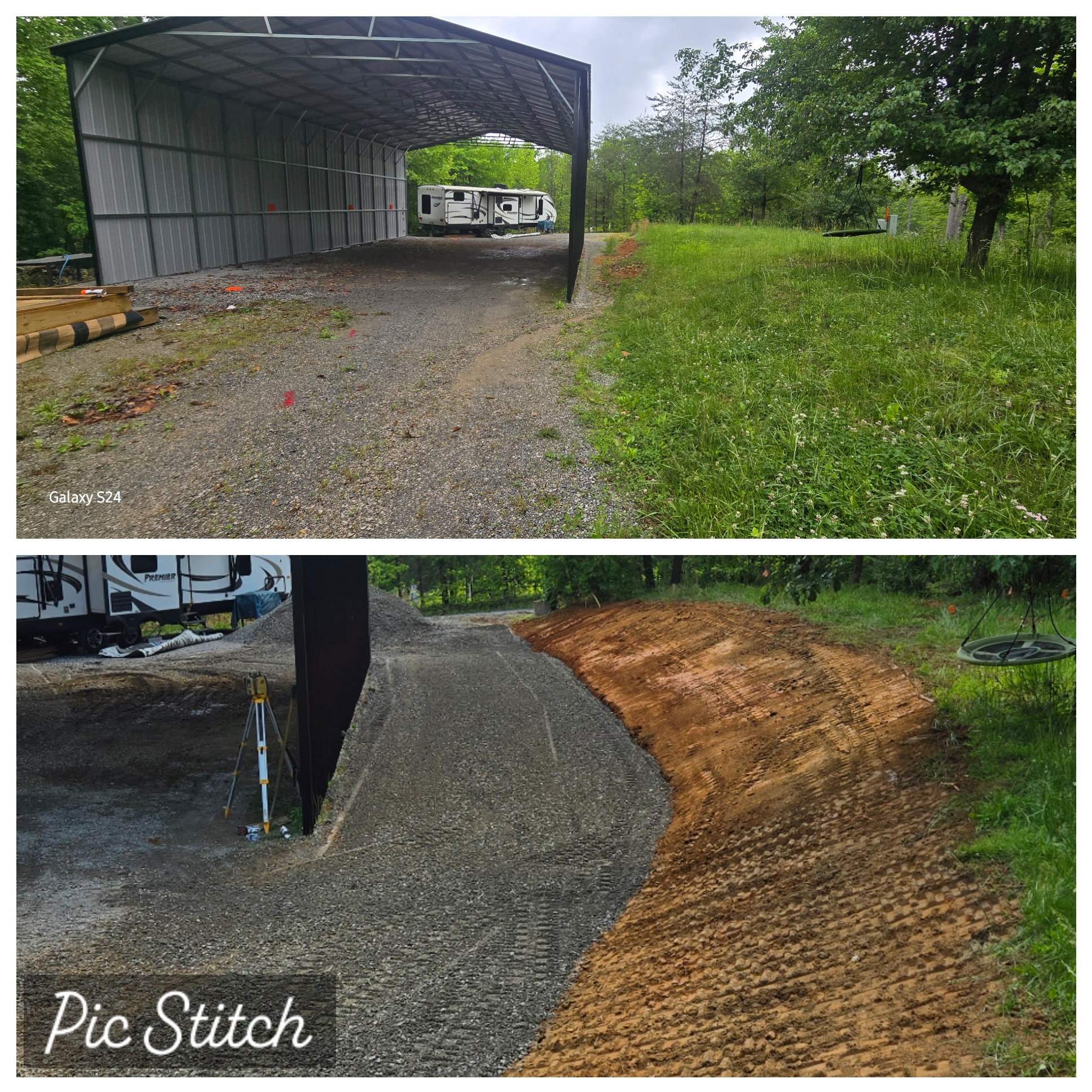
A hillside or graded bank that seemed fine for years starts shedding soil little by little, and pretty soon you've got dirt piling up where you don't want it, bare spots opening on the slope, and maybe an old wall that's bulging, leaning, or already coming apart.
The cause usually comes down to two things working together: gravity and water. Loose or steep ground naturally wants to slide downhill, and every hard rain speeds it up by washing soil away and building up pressure behind whatever's trying to hold it. When an older wall was built without good drainage behind it, that trapped water pushes harder and harder until the wall gives out, which is why so many of them fail years down the line.
Setting it right is where we come in. As your excavating contractor, we start by digging out and shaping a solid base because a wall is only as good as the ground it sits on, then move into the retaining wall installation itself, using materials sized to the job and the load they need to hold. When there's a failing wall already in place, a full retaining wall replacement lets us pull the old one, fix the drainage problems that killed it, and build back something that'll actually last.
The result is a slope that stays put and a wall you don't have to worry about. With a proper base beneath it, water routed away from behind it, and the right build holding the load, your ground stops sliding, the erosion slows down, and that once-troublesome hillside turns into a stable, finished part of your property.
From the wall itself to the drainage and slope support behind it, here's an overview of what we handle.
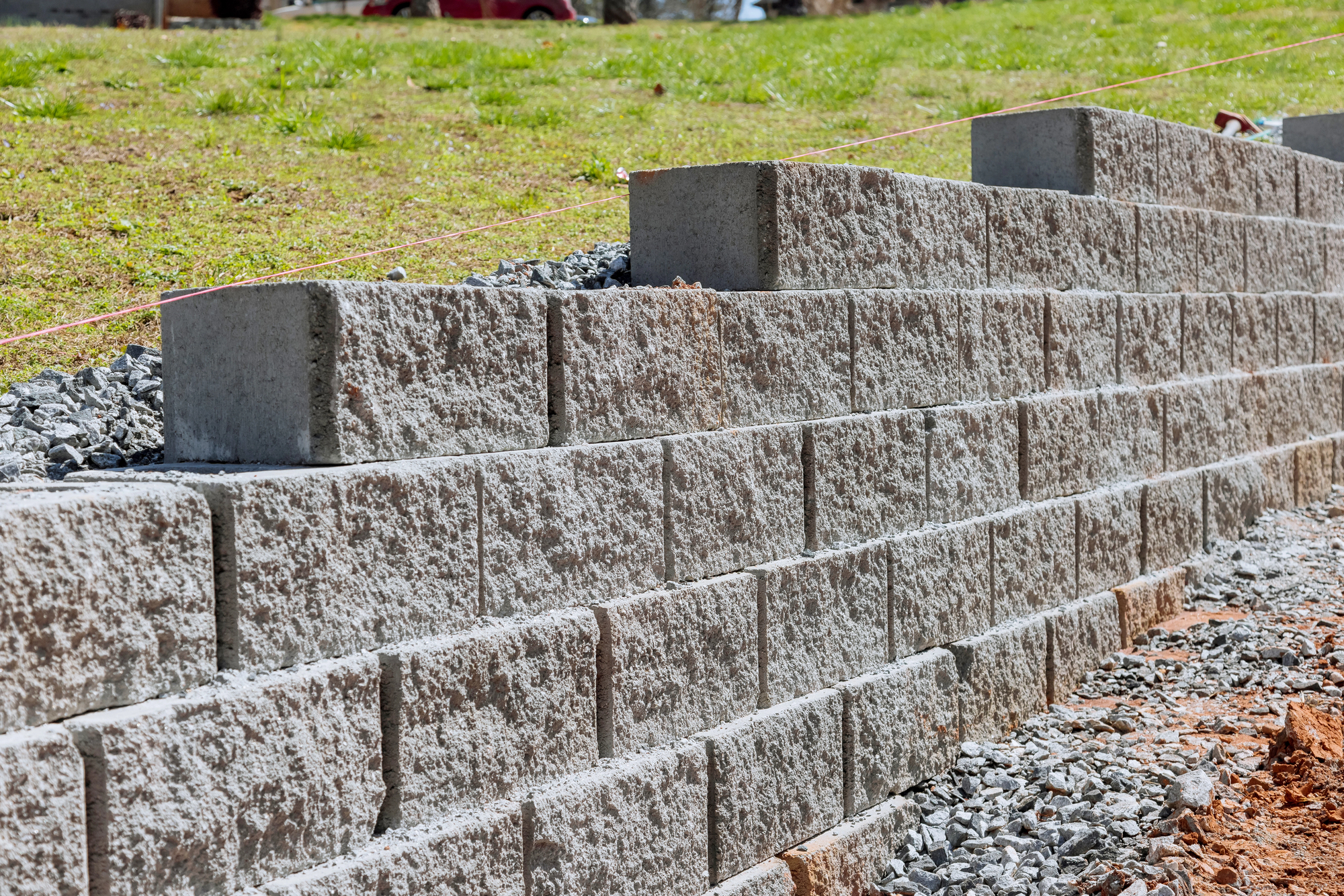
Holding back ground the right way starts with a wall built to match the property and the load it's up against. We construct retaining walls for homes and businesses, including large block builds designed to withstand heavy loads and pressure. Whether it's a modest bank behind a house or a heavy-duty commercial job, we size the wall to perform for the long haul.
Water trapped behind a wall is the number one reason walls fail, so managing it is a big part of doing the job right. Our crew builds proper drainage behind the wall to relieve pressure and give water a way out, rather than letting it pile up. Handling drainage from the start is also what keeps a good-looking wall from becoming a leaning, cracked mess a few years later.
Keeping the surrounding ground steady matters just as much as the wall standing in front of it. We provide erosion prevention and slope stabilization to support the land around the wall and slow soil movement that can cause problems over time. Backing the wall up with stable ground gives you a slope that holds its shape and a property that stays put through the seasons.
From the first look at the slope to the final grading, we bring practical field knowledge and the machinery needed to handle the groundwork properly.
Founded in 2018, our business is backed by more than 15 years in the trade, a septic certification, and membership in the Somerset Pulaski County Chamber of Commerce.
Property owners taking on a larger wall project can speak with us about financing opportunities that may help spread out the expense.
After reviewing the terrain and wall area, we provide a no-cost estimate so you can consider the next step without pressure.
Our newer, company-owned machines allow us to excavate, move heavy materials, and shape the site without having to chase down ordinary rentals.
The part of a project nobody sees is often the part that matters most, and that's the ground it all sits on. Our site preparation and foundation work covers foundation excavation, pads poured for homes, mobile homes, and manufactured homes, laser and rough grading, site leveling, storm shelter installation, and dozer work of every kind.
When water doesn't have a clear way off your property, it starts making its own way, usually straight toward trouble. Our grading and drainage solutions redirect it with finish grading, seed bed and final grade prep, drainage tile, ditches, riprap channels, gutter tile, trenching, sod, and erosion control that keeps your dirt from wandering.
Some of the best land around is buried under brush, saplings, and junk that piled up over the years. Digging it back out is what our land clearing and property cleanup crew does best, whether that's brush cutting, tree and vegetation removal, hauling off debris, cleaning up a construction site, or clearing away worn fence lines.
A driveway that's more crater than road makes a rough welcome after a long day. We smooth that out with our driveway installation and culverts, laying new gravel drives, widening or patching the ones you already have, straightening drainage that leads to washouts, and installing or replacing culverts so water flows under the drive rather than across it.
Every so often, a job means taking something down first, or running the lines that keep a property functioning behind the scenes. Our demolition, septic, and utility services handle both, from structure teardown and removal to septic installation, utility trenching, water line installs and repairs, and locating buried lines and pipes so no one digs into a nasty surprise.
Kentucky building codes generally exempt retaining walls no taller than 4 feet, measured from the bottom of the footing, unless the wall supports an additional load or contains certain liquids. Because location, height, slopes, and local rules matter, check with the building authority before retaining wall installation begins.
A short residential wall may take several working days, while a large-block wall on steep ground can require a longer schedule. Excavation, base preparation, drainage, wall height, access, soil conditions, and the amount of backfill all affect how the project moves along.
The cost depends on wall length, height, block type, excavation, site access, drainage needs, soil conditions, and whether the project requires engineering. A wall beside a driveway or steep slope often involves more groundwork than a low garden wall on level ground.
A contractor may repair a wall when the movement is minor, and the base, blocks, and drainage system remain usable. Retaining wall replacement usually makes more sense when the wall leans heavily, separates, cracks throughout, or continues moving after earlier repairs.
Water buildup behind the wall can add pressure, weaken the backfill, and push the structure outward. Poor base preparation, inadequate drainage, unstable soil, erosion, and loads placed too close to the top of the wall can also lead to movement.
Business Name: Clifton Excavating
Address: Liberty, KY
Phone: (606) 706-1953
Business Hours:
Mon - Sun: Open 24 Hours
Financing:
Ask us about financing options.
Liberty, KY • Somerset, KY • Jamestown, KY • Danville, KY • Russell Springs, KY • Nancy, KY • Columbia, KY • Campbellsville, KY • Stanford, KY • Lancaster, KY • Hustonville, KY • Science Hill, KY • Eubank, KY • Crab Orchard, KY • Monticello, KY • Albany, KY • Mt. Vernon, KY • Burnside, KY • Harrodsburg, KY • Burkesville, KY